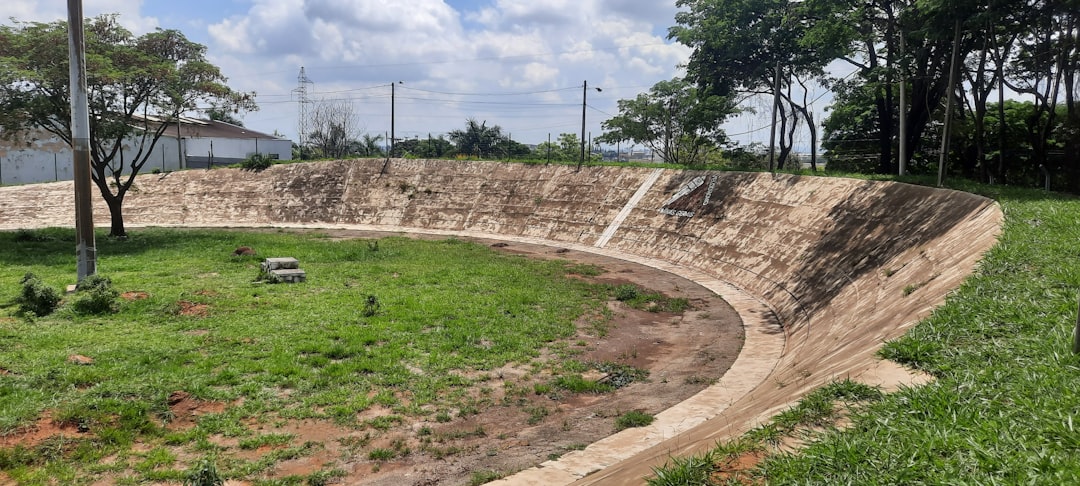
For homeowners comparing retaining wall contractors, the practical task is to turn a loose wall problem into clear quote information that a suitable trade can assess properly.
Retaining Wall Contractors Explained
Retaining Wall Contractors Australia frames the search around a few inputs that are useful before any quote conversation: wall size, site conditions, postcode and timing. Those details help turn a general enquiry into a job brief that can be compared across providers, rather than a series of vague calls where each contractor is guessing a different scope.
The directory also separates retaining wall work into service types, including concrete sleeper, timber, block and masonry, stone and boulder, gabion, repairs, and engineered or commercial work. Treat those labels as starting points for the conversation, not as a design decision made in advance. A provider still needs to understand the site and the job requirements before confirming whether a category is suitable.
- Measure or estimate the wall length and height before requesting a quote.
- Describe whether the job is a new wall, replacement, repair or commercial enquiry.
- Note access constraints, nearby structures and the timing you are trying to meet.
- Ask what photos, plans or site details the contractor wants before pricing.
Who This Applies To
This guide applies to property owners, buyers, strata contacts and small project managers who need a retaining wall built, repaired or assessed in Australia. The source page is broad rather than state-specific, so the safest use is as a preparation guide for comparing provider profiles and shaping questions before you contact a trade.
It is especially relevant when you are not sure whether the work belongs with a general retaining wall builder, a repair specialist, a masonry provider, a gabion installer or an engineered and commercial contractor. If the wall is part of a larger renovation, compare the retaining wall scope separately from general home improvement work so the trade requirements, materials and timing do not become blurred.
For readers focused on Queensland, there is also a related local guide for retaining wall contractor options in Brisbane. Use that only as a location-focused comparison point, while keeping the same quote discipline: job type, site conditions, postcode and desired timing.
How To Read Provider Categories
The listed categories are useful because retaining wall jobs are not all the same. A small repair enquiry, a timber replacement, a gabion feature wall and an engineered commercial wall may involve different questions, different evidence and different trades. The category should help you route the enquiry, then the provider should explain what information is needed to assess it properly.
A practical comparison starts with the type of wall you think you need, then tests that assumption. Ask whether the contractor handles the material you are considering, whether repairs are assessed separately from new builds, and what information is required before a site visit or formal quote. If a profile includes reviews, photos, service descriptions or pricing notes, use them to make a shortlist, not as a substitute for a written scope.
For engineered or commercial retaining wall enquiries, keep the questions narrower and more documentary. Ask what drawings, approvals, engineering inputs or builder coordination they expect to see before they can price or schedule the work. If they cannot answer that at profile or first-call stage, you may not yet have enough information for a fair comparison.
Quote Checks Before You Choose
The source page says users can compare services and pricing, then contact providers by call, email or quote request. To make that useful, give each shortlisted contractor the same facts and ask for the same response format. That reduces the chance of comparing one detailed quote against one casual estimate.
- State the job type first: new wall, repair, replacement, engineered work or commercial enquiry.
- Give the wall size, site conditions, postcode and preferred timing.
- Ask what is included in the price and what is excluded.
- Ask what photos, measurements, site access notes or documents they need.
- Check whether the provider wants to inspect the site before confirming a price.
Do not treat a high review count or a polished photo gallery as the final decision. Those details can help with shortlisting, but the quote still needs to match your wall, site and timing. A clear written scope is more useful than a quick verbal figure when the work may involve material choice, access constraints or repair uncertainty.
Using Reviews Without Overreading Them
The directory says readers can read reviews and view photos. Reviews are helpful for seeing whether previous customers mention communication, finished work and follow-up, but they should be read alongside the provider's service category and evidence of relevant work. A repair review does not automatically prove fit for a larger engineered job, and a new build gallery does not automatically answer a maintenance question.
When a profile names a suburb or city, treat that as a coverage clue and confirm current availability directly. The source page itself tells users to contact businesses directly to confirm coverage, availability and project requirements. That is the right posture because contractor coverage can change, and a directory profile may not settle whether your exact postcode, access conditions or timing can be serviced.
ASIC Moneysmart, the Housing Industry Association and Master Builders Australia are useful general sources for renovation and building context, but the trade-specific decision still comes back to the written brief, provider category and confirmed scope. Keep a record of who you contacted, what details you supplied and what each contractor said was needed next.
- Define the job. Write down whether the enquiry is for a new wall, replacement, repair or engineered and commercial work.
- Collect site details. Record the wall size, site conditions, postcode and preferred timing before making contact.
- Shortlist providers. Use categories, photos, reviews, services and pricing notes to choose a small group to contact.
- Ask consistently. Send each provider the same brief so their responses can be compared fairly.
- Confirm scope. Before choosing, ask what is included, what is excluded and what information is still needed.
| Situation | Best starting point | Question to ask |
|---|---|---|
| Known material preference | Use the matching category such as timber, gabion, concrete sleeper, masonry, stone or boulder | Do you assess this wall type and what site details do you need? |
| Damaged existing wall | Start with retaining wall repairs | Do you inspect repairs before quoting and what photos help first? |
| Larger or commercial job | Start with engineered and commercial listings | What drawings, approvals or project documents are needed before pricing? |
| Unsure what wall type fits | Start with general contractor profiles | Which category should this job sit under after you see the site information? |
This guide covers practical preparation, category selection and quote comparison for retaining wall provider enquiries in Australia.